


The Japanese Sword A Comprehensive Guide
The Japanese Sword A Comprehensive Guide
Kodansha International
Couldn't load pickup availability
by Kanzan Sato
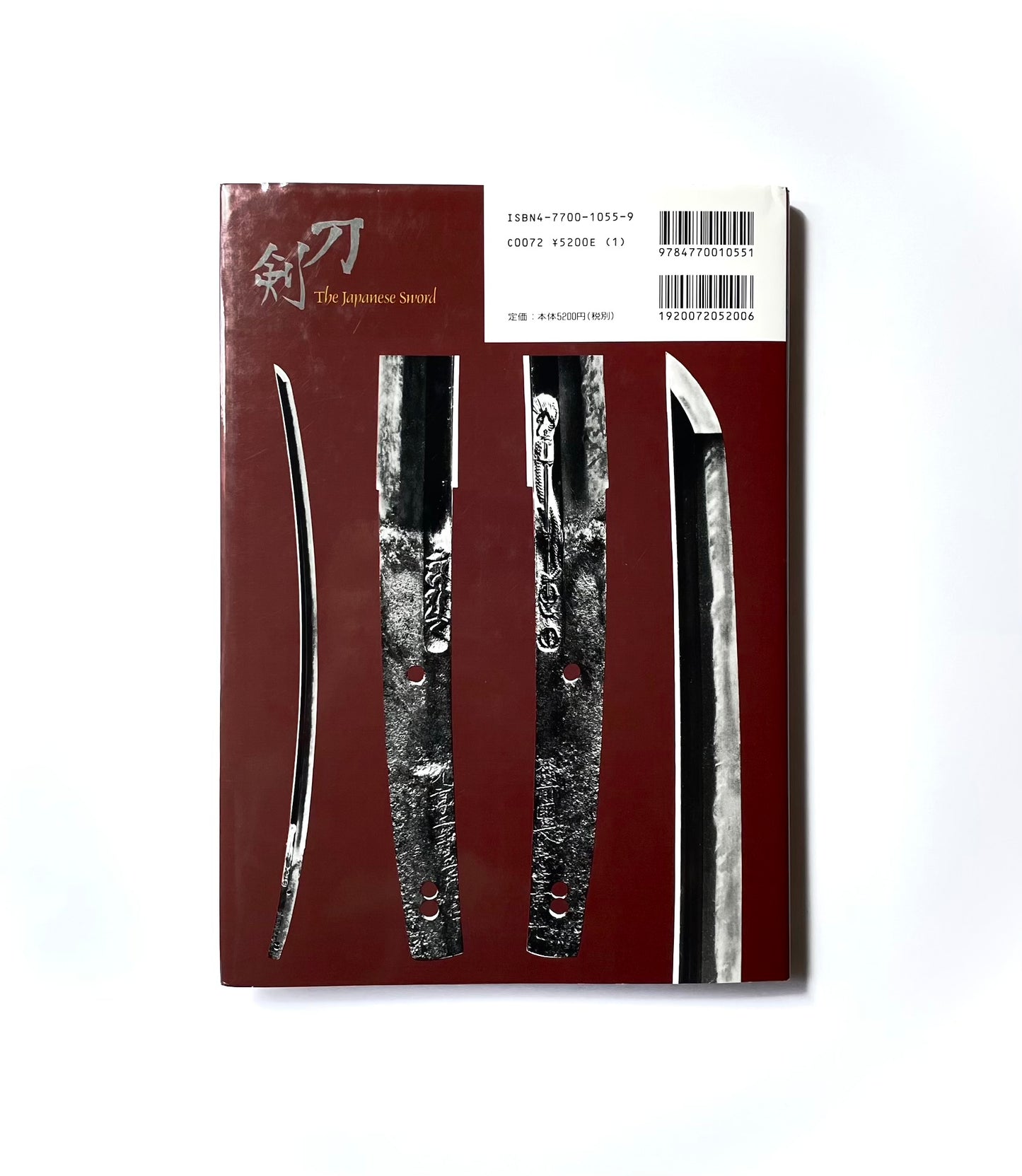
The Japanese sword combines unbreakability, rigidity, and lethal cutting power, and it is in the resolution of these conflicting practical requirements that it emerges as a triumph of the forger's art. The mystique of the sword lingers on in our age of mechanized combat, but the aesthetic qualities for which swords are most valued by collectors today-the liveliness of the metal "skin," the confidence in every aspect of the design, the scrolling temper-line, the almost buoyant lightness of the hilt when the blade is held in the hand-all derive from what the Japanese sword demanded as a symbol of strength and as a weapon. As an instrument of clear persuasion, no other blade anywhere has ever been its equal.
This volume, containing color and black-and-white plates, has been prepared as an introduction to the history and appreciation of the Japanese sword. Its author, until his death in 1978, was one of Japan's foremost sword experts, and his wide knowledge is here brought to bear on every aspect of sword lore, including forging techniques and problems of appraisal. Looking over the 1,500 years of sword history in Japan, Kanzan Sato notes how the major developments-the shift from the early straight blades to the tachi, which were longer curved blades slung edge downwards at the waist, to the familiar daisho pair of short and long swords worn by samurai until modern times-were the result of both technical innovation and changed fighting techniques. He examines the various fashions in sword mounts and the at times precious, highly decorated work of the smiths who specialized in sword guards, or tsuba, during the Momoyama and Edo periods.
The centerpiece of this book, however, is a detailed examination of over a dozen of Japan's most revered blades, including the Kanehira and the Dojigiri by Yasutsuna, perhaps the two finest swords in Japan and as clear and beautiful today as when they were forged some 900 years ago. The discussion of what makes these blades special and how they have been passed down for generations offers the reader a wealth of insight into the sword in Japan as heirloom and cultural treasure.
Condition: Very good
Format: Hardcover
Published: 1983
Pages / Size: 210 p, 26.5 x 19.2 x 1.9 cm
Language: English
ISBN: 9784770010551


Shipping costs
Free standard shipping to Germany on orders of €50,00 or more (after any coupon and sale discounts).
Weight Price
0g - 999g €3,50
1000g - 1999g €6,50
2000g - 4999g €7,50
Please contact us for orders from outside Germany.
Your order will be shipped after we receive your payment.
Unless otherwise specified in the respective offer, the goods are delivered domestically (Germany) within 3 - 7 days after the conclusion of the contract (if advance payment has been agreed after the time of your payment order).
Please note that there will be no deliveries on Sundays and public holidays.
If you have ordered items with different delivery times, we will send the goods in one shipment, unless we have made a different agreement with you. In this case, the delivery time is determined by the item with the longest delivery time that you have ordered.
If you have further questions you can contact us at tsubakibookstore@gmail.com
Collapsible content
◎ Books Condition Guide
- New : This is a new book, unused, unread copy in perfect condition.
- Very good: A book that looks new but has been read. Cover has no visible wear. No missing or damaged pages, no creases or tears, and no underlining or highlighting of text, and no writing in the margins, possible very minimal creasing.
- Good : The book has been read but is in good condition. It has very minimal damage to the cover, including scuff marks. The binding has minimal wear. The majority of pages are undamaged with minimal creasing or tearing. There are no missing pages. A book in fair condition, the text pages and illustrations will be complete. It may also be worn or show some early signs of splitting internally at the spine. A fair dust jacket will likely have some creases or chips or small tears and may be dirty.
- Acceptable : A worn book that has complete text pages. Binding, jacket (if any) will be worn. Spine may be warped with cracking and scuffing.
This copy may be soiled, stained, spotted, discoloured and browned or creasing Pages. Markings and note taking do not interfere with reading. May be some water damage and cover slightly torn.
